
Finding Town of Colonie Residents
A Town of Colonie residents directory search usually starts with one solid fact. That may be an address, a name, or just a street. New York keeps many records open to the public. Yet each one answers only a narrow question. The habit that pays off is matching a parcel record against a deed, a voter record, or an old library directory. Comparing records held by different offices, written for different purposes at different times, is how people find who lives on a street in Town of Colonie with real confidence.
- Find the property in the Town GIS or assessment record and preserve its parcel key, situs address, and record date.
- Use the owner name, deed book and page, or legal description in the Albany County Clerk’s land-record index.
- Check the voter lookup only for a named person with the required identity details, then respect its election-law limits.
- For a past household, search the library’s city and suburban directory holdings alongside the nearest census period.
- When a record has no public index, ask the custodian for a targeted counter, mail, or FOIL search.
Town of Colonie Parcel Clues
For a current address, the Town of Colonie public parcel service is usually the strongest first stop. Its Town layer carries the mapped property address, print key, and SBL. Owner and mailing fields appear there too. Deed book and page show up where populated. The layer also holds assessment values, sale fields, school district, neighborhood, utilities, zoning, and building descriptors. Separate layers cover the Village of Colonie and the Village of Menands. So a thin village record may simply mean a different layer, not a failed search.
Every parcel row holds a situs address and, when supplied, a tax mailing address. Treat those fields as leads rather than a household roster. An owner can list a mailing address somewhere else entirely. A person living at the property may never appear in the parcel row. Before carrying the data into a deed or directory search, note two things. Record the layer name. Also note the date of the query.
| Parcel field | Why it matters |
|---|---|
| PROP_ADDR or GISAddress | The mapped property address used to begin an address search. |
| PRINT_KEY or SBL | A stable assessment identifier that can bridge address changes and map records. |
| OWNER1 and MAIL_1ADDR | Public ownership and tax-correspondence clues, not proof of occupants. |
| DEED_BOOK and DEED_PAGE | A useful cross-reference for the County Clerk’s recorded-document search. |
The Town’s GIS information page gives the mapping entry point and notes that layers update on a periodic schedule. Reading the parcel fields by purpose explains the pattern: they expose property and assessment detail that opens a strong research trail, but they stop short of listing every person tied to an address. The Town GIS parcel service displays the Town and village parcel layers used for address-based research.
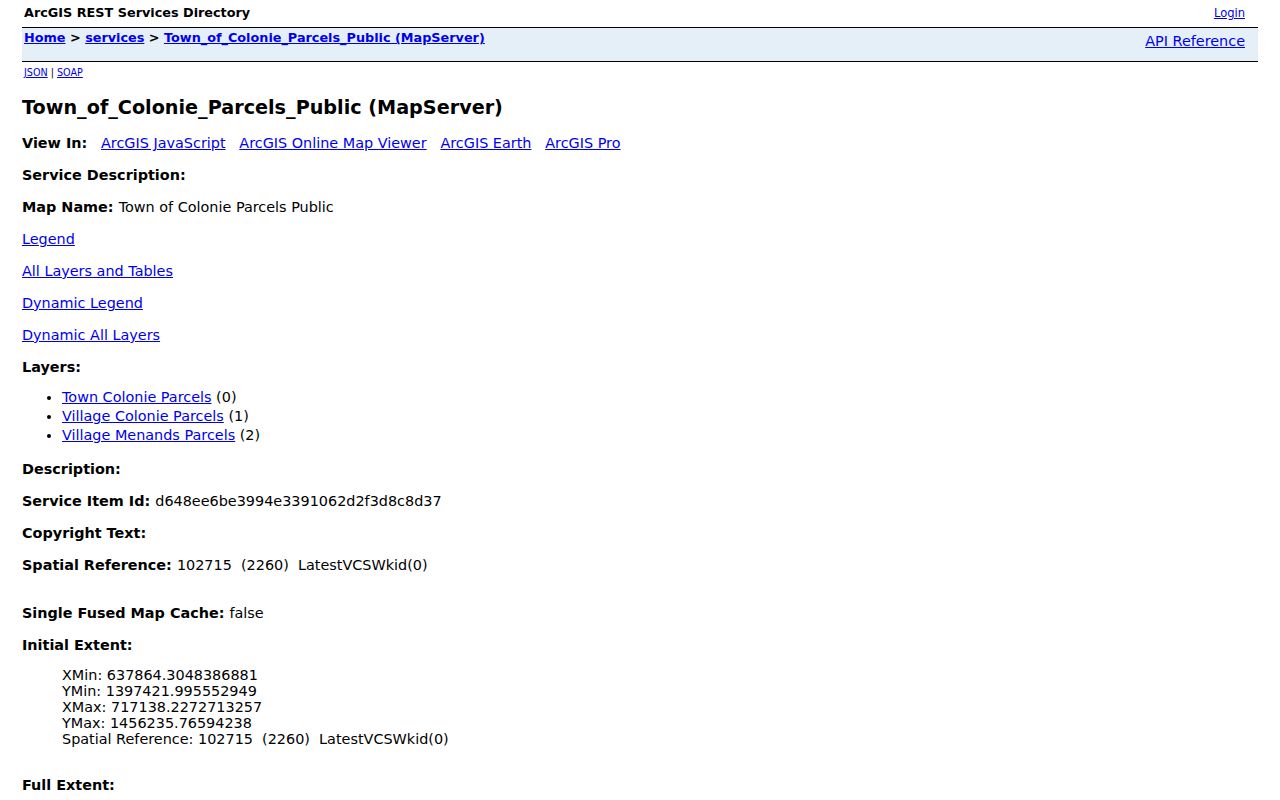
Use the map to collect a parcel key and a record date. The deed, the roll, or the office record then supplies the context those numbers cannot hold.
Note: A parcel row identifies a property record, so confirm any major ownership or address conclusion with the source document.
Town of Colonie Resident Records Offices
Official records live with separate custodians. The Albany County Clerk holds recorded land documents and court-related filings. The Town Assessor and the GIS layers carry parcel and roll research. The Board of Elections settles registration questions and access rules. A copied listing, a partial index, or a single data field sometimes needs confirmation. These offices are the direct route. An address-by-address trail belongs in the Town of Colonie street directory. That is the tool when the goal is to follow one road.
Albany County Clerk
16 Eagle Street, Room 128
Albany, NY 12207
518-487-5100
Albany County Board of Elections
260 South Pearl Street
Albany, NY 12202
518-487-5060
The Clerk’s counter is generally open weekdays from 8:30 to 4:30, and land recording plus court filing activity stops at 4:00. Call ahead to confirm hours, fees, and access to a particular record before any visit or mail request.
Town of Colonie Deed History
The online side of the property trail runs through the Albany County SearchIQS index. Per the County availability sheet, the main deed and mortgage index-and-image coverage begins mainly in 1980. Documented search fields include Party 1, Party 2, dates, document group or description, town, book and page, instrument number, and case number. Names are typically entered last name first, and the help material covers wildcard and partial-name searching.
Older work does not stop at the web boundary. Albany County Hall of Records keeps deed and mortgage material reaching back to 1630, along with a grantor and grantee index spanning 1630 to 1940. A grantor conveys an interest. A grantee receives it. Trace a current owner as grantee back to the purchase record, then hunt the seller as an earlier grantee. Legal descriptions, lot references, road names, acreage, and neighboring parcels rescue a search when a street address has changed. The Town GIS parcel service is the source shown below; the County Clerk’s online-records page supplies the next document-search route.
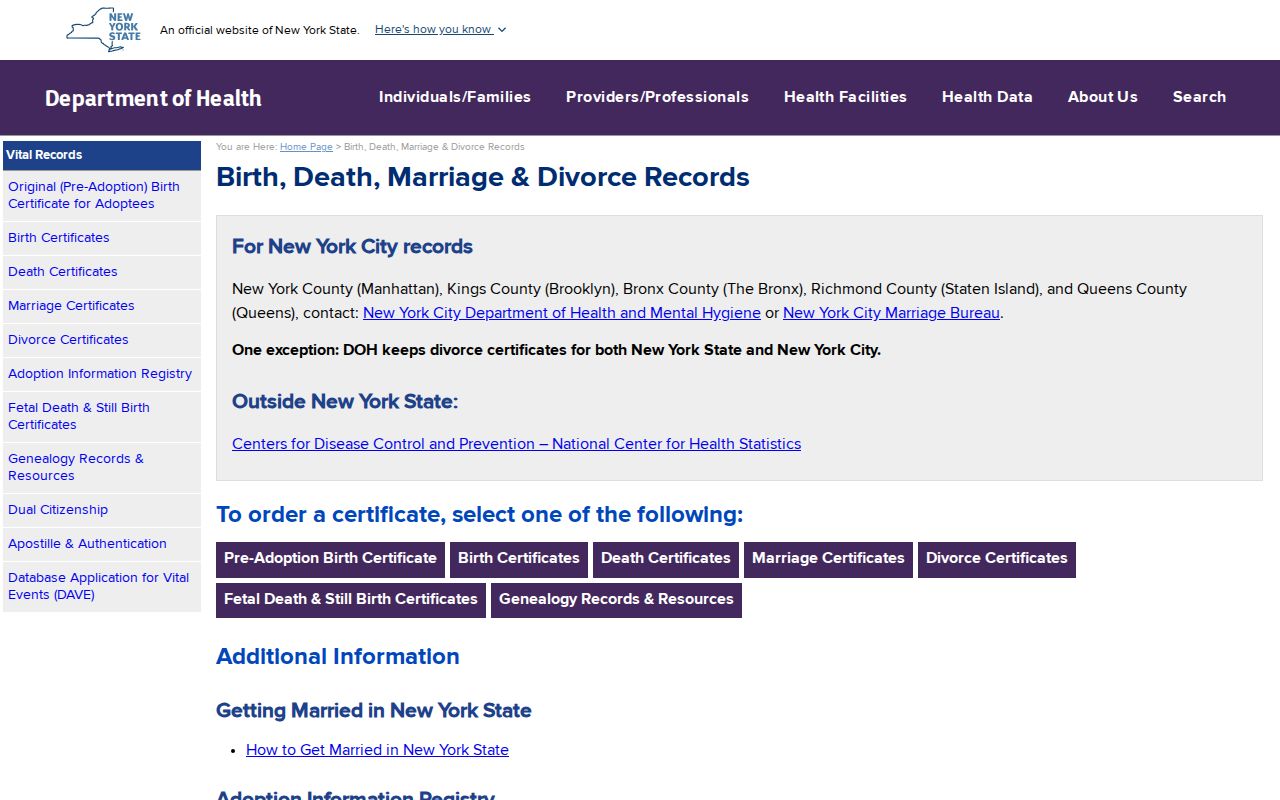
The parcel layer and the recorded-deed index work as a pair. Use parcel identifiers to narrow the document search, then read the recorded document itself rather than treating an index entry as a full title opinion.
Current Town of Colonie Resident Directories
Different sources answer different questions. A property roll names an assessed owner. A voter lookup covers one registration. A court index lists a party to a case. None of them counts every person in a household. A strong Town of Colonie residents directory search therefore compares records built for separate official purposes. Keep the dates of each record close at hand as you compare them.
| Source | What it can confirm | Custodian | Access route |
|---|---|---|---|
| Parcel and assessment record | Owner, mailing or situs address, parcel identifiers | Town Assessor and GIS | Free GIS, Image Mate, annual rolls |
| Recorded deed index | Named parties, document date, book or instrument | Albany County Clerk | SearchIQS or Hall of Records |
| Voter lookup | Registration and poll-site result for a matching person | New York State and Albany County BOE | Individual lookup, regulated access |
| Court and probate records | Public case party or estate relationship | Courts and Surrogate’s Court | Portal, clerk, or counter request |
| License or entity database | Public professional or business affiliation | New York agencies and County Clerk | State search or filing index |
For a name that needs careful verification, the Town of Colonie resident lookup workflow compares identities, dates, and record types side by side. Treat no single result as the final word on its own.
Town of Colonie Voter Lookup Rules
The New York voter lookup exists for one voter at a time. It returns a named registration, poll site, and mail-ballot details. The form wants last name, first name, date of birth, county, address, and ZIP Code. A Town of Colonie address calls for Albany County. That narrow design is deliberate, not an oversight. The tool is not a public road-by-road roster of the town. A non-match can mean a spelling slip or a recent address change. It could also reflect an inactive or cancelled record, a protected record, or simply no registration on file.
| Field | Form note |
|---|---|
| Last Name and First Name | Required name pair for a personal lookup. |
| Date of Birth | Required in MM/DD/YYYY format. |
| County | Required selection, Albany for Colonie. |
| Address information and ZIP Code | Required residence information used with the match. |
Election Law §§3-103(5) and 3-220 restrict how voter data may be used and shield fields like driver-license, non-driver ID, Social Security, and facsimile details. A wider voter-file request travels a separate Board of Elections FOIL route with an elections-purpose statement. For corrections, inspections, or protected-voter procedures, the Albany County Board of Elections is the office to ask.
Town of Colonie Court Record Checks
A court result answers a different question than a parcel or street directory entry. New York eCourts and NYSCEF can locate participating public matters several ways. Search by party, case number, county, court, or filing date. NYSCEF's guest help also documents searches by business or organization name. It adds special tax-cert and SCAR block-and-lot fields. The court file itself, a certified copy, and a statewide criminal-history search are separate products. Each has its own access rules. Colonie Town Court sits at 312 Wolf Road in Latham. County and Supreme Court matters run through a different clerk. Albany County Surrogate's Court holds the probate material. Sealed, adoption, juvenile, youthful-offender, and certain mental-health matters stay out of a standard portal search. A blank result never proves a person has no record. For an estate question, Surrogate's Court can beat a general name search. Wills and estate petitions may name a fiduciary or heir. Give the clerk the exact file, court, party name, and year you need.
Town of Colonie Historical Directories
Older Town of Colonie residents directory work rises or falls on scope. Albany Public Library's Local History Room keeps a nearly complete Albany city-directory run stretching from 1813 to the present. Its guide also names Colonie and other suburban holdings. An Albany City volume is not automatically a Colonie volume. Record the publication title, year, geographic scope, page, and street spelling before drawing any conclusion. New York State Library microfilm supplies Albany Suburban issues for 1916, 1926, and 1936. The Hall of Records, library shelves, licensed digital access, newspapers, census schedules, and cemetery collections open additional channels. A city-directory entry may carry a name, initials, household notation, occupation, address, or cross-reference. Publisher abbreviations vary by edition, so decode them for the year you hold.
- Roll
- An official list or annual record made for a particular public purpose, such as assessment.
- Index
- A finding tool that points to a record or image instead of replacing the underlying document.
- Criss-cross directory
- An address-oriented directory, if a repository holds one for the needed year.
- Parcel
- A mapped property unit with its own assessment identifiers and legal context.
The New York voter registration lookup appears as the source shown. Historical sources, by contrast, run through the library's Local History service and its appointment and collection route.
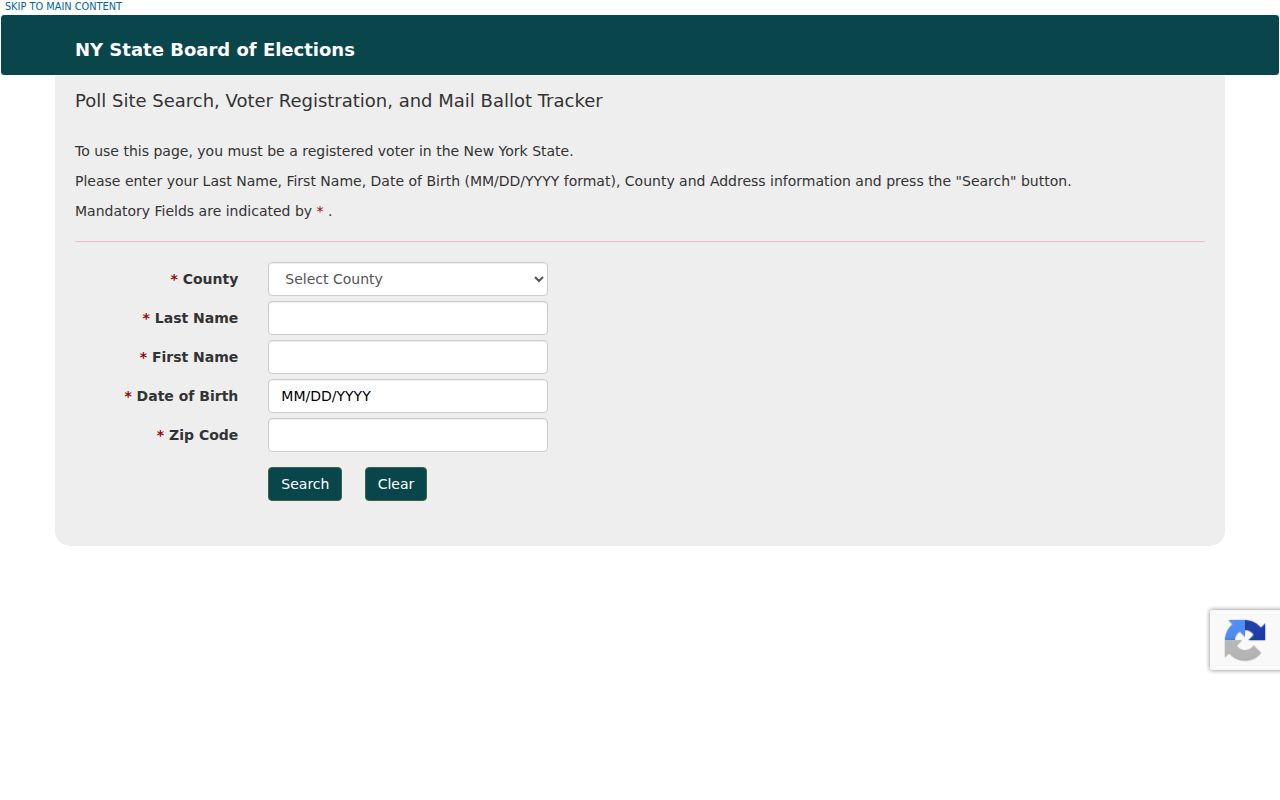
A dated directory entry, voter search, or parcel record should stay tied to its original source and purpose. Merging them into one claim about a household invites error.
Town of Colonie Directory Postal Names
Town of Colonie records can carry Latham, Loudonville, Cohoes, Watervliet, Albany, Menands, or Schenectady postal labels. None of those labels changes the legal municipality. A GIS row holds a situs address and parcel key. A tax record may carry a mailing address, and a deed uses a legal description. The Postal Service returns a delivery address. Keep each form intact in your research note instead of forcing every result into one city name. Standardize a known address first with the USPS ZIP Lookup. Then turn to the county map and Town GIS to pin down the municipal parcel. ZIP boundaries and Census ZCTAs are not town boundaries. The ZIP code directory explains that geography without letting postal labels stand in for property jurisdiction. Note: Search old road names and nearby postal places when a historical directory does not recognize the modern label.
Town of Colonie Vital and Estate Trails
Vital records are not a general current-person search. New York genealogy copies generally open after 75 years for births. Deaths and marriages open after 50 years. The person or spouses must be known deceased. Public Health Law §4174 governs current certified-copy eligibility, and vital records stay outside FOIL. Start with the Town Clerk or local registrar for a known local event. For statewide records outside New York City, use the New York State Vital Records routes. Historical work gets help from State Archives indexes. Hall census schedules, newspaper notices, cemetery records, and Surrogate's Court files also help alongside a certificate search. The official adoption information registry is the only proper route into sealed adoption and original-birth material. It can supply specified non-identifying, medical, or consent-based identifying information. It is not an ordinary people-search database.
Town of Colonie FOIL Requests
Some records sit outside any search box. A formal written request is the way in. Colonie's local route is Town code Chapter 147. The state side is Public Officers Law Article 6, especially §§87 and 89. Ask for the smallest record set that answers the question. Name the property address or parcel key, the date range, the record type, and the format you want. For permits, add the number when known. Ask the Building Department whether files sit by address, permit number, or certificate of occupancy.
New York law puts a clock on the answer. Most agencies must grant, deny, or at least acknowledge a request within five business days. An acknowledgment should give an approximate decision date. That is usually within twenty business days unless the agency explains a longer period and sets a date certain. Exemptions apply. The law does not unlock vital, court, voter, or protected information. The state FOIL guide explains deadlines, appeals, and ordinary copy rules.
Town of Colonie Record Safety
Start with safety before you pay anyone. Albany County's free Property Fraud Alert can notify a subscriber when a deed or mortgage records under a name. That beats answering an unexpected deed-copy offer. Verify any mailer through the County Clerk's public contact. When correcting an error, keep the record identifier, the date, and the original source. State unclaimed-funds searches are free through the official Comptroller route, so a demand for advance payment is a warning sign.
The historical trail has real gaps. Online County land records mainly begin around 1980. Hall holdings reach back to 1630. The Albany City Hall fire of 1880 also explains why a surviving lead may sit in a paper finding aid, a staff-assisted index, or a different repository. A missing web result should point to the Hall of Records, a library, or the clerk. It should not point to an unsupported conclusion.
Town of Colonie Residents Directory Limits
A Town of Colonie residents directory has honest limits. It shows record-associated names, not a map of private life. Assessment and deed records generally identify owners or parties to documents, not every occupant. Court records can be sealed. Voter data is regulated. DMV, utility, delivery, and protected-address records are no alternate path around those limits. New York's Address Confidentiality Program gives qualifying participants a substitute address and shields their actual address under Executive Law §108.
Match with care. Treat a name and address as one person only after two independent records agree. Similar names, an estate, a trustee, a corporation, an attorney-in-fact, or an old mailing address can each create a misleading match. For an error, contact the custodian with the record identifier and request a correction through its process, since the office holding the record remains the final source for verification.