
Town of Colonie Resident Lookup Sources
A Town of Colonie resident lookup starts with whatever you already know. That might be a name, an old street address, or a middle initial. One matching result is only a lead, not proof. Property rolls tie a person to a place through an owner or tax-mailing address. Deeds add recorded parties and dates, while voter rolls, court files, and vital records each answer a different question. Weigh the date and purpose of every record. Do not treat two similar names as one person without that context. The lookup works best when it narrows one identity through independent sources. It should stop where privacy rules require. The same approach can help you find who lives on a street in Town of Colonie.
| Record type | What it can support | Colonie route | Access boundary |
|---|---|---|---|
| Parcel and assessment | Owner or tax-mailing association with a parcel | Town of Colonie Image Mate and the GIS layer | Basic Image Mate access is free; occupants are not implied |
| Recorded deed or mortgage | Recorded party, legal description, and filing dates | Albany County SearchIQS; older records at Hall of Records | Online land groups are mainly 1980-present |
| Voter registration | A matching registration and poll-site context | New York voter lookup | Identity fields are required; list use is controlled |
| Court record | Public party, case, filing, and status information | eCourts or NYSCEF, then the clerk | Participating matters only; protected files stay closed |
| Vital index | Historic event name, date, and place | New York State Vital Records | Certificates have eligibility limits |
| Probate and estate | Decedent, fiduciary, heir, will, or estate trail | Albany Surrogate's Court and Hall of Records | File and copy rules vary |
| Business or license filing | Legal affiliation or public status detail | New York DOS, NYSED, and Albany County DBA records | Not evidence of a residence |
Begin with the narrowest fact you can confirm. A current property question starts at the parcel route. Save the print key or SBL, the tax-map identifier. An old family question takes different tools. A death notice, cemetery record, probate file, or deed often says more about past residents of the Town of Colonie than any current index does. When a web search comes up empty, the fallback chain still runs deep: the county index, clerk counter, Hall of Records, library, and state request channels all remain part of a thorough resident lookup.
Note: Record purpose and date matter, because an accurate historical or tax record may not describe a current personal connection.
Town of Colonie Court Record Fields
Court records demand careful labels. Colonie Town Court is the local justice court. County, Supreme, and Surrogate's matters sit in Albany. The free NYSCEF guest route can find participating e-filed cases without an account. A result is not the clerk's full file. A blank result does not prove no matter exists. Sealed, adoption, juvenile, youthful-offender, and mental-health matters are restricted, and restricted is not a gap to fill with guesses. Bring an exact case number when you can, then ask the right clerk for a copy or for the office's current procedure.
| NYSCEF control | How it narrows a name search |
|---|---|
| Case identifier or case number | The narrowest route when a known number is available. |
| First name and last name | Party or attorney name search; middle name is optional. |
| Business or organization name | A separate party search for an entity. |
| County, court, and case type | Optional controls for participating courts and categories. |
| Filing date from and to | Optional date range that reduces broad results. |
| Tax-cert or SCAR block and lot | A special mode that requires those paired fields. |
A public docket can carry a lot. Expect an index or case number, court and county, case type, parties, attorney, filing date, status, and links to public documents. None of it makes an allegation true. Read the disposition closely. A dismissal is not a judgment. Neither one matches a pending case or an adjournment. For statewide criminal history, the OCA CHRS is an exact-name-and-date-of-birth product with a $95 per-name fee, and it is not a certified court disposition. The New York State registry search runs on a separate public registry surface, a distinct state source rather than a substitute for court or local-record review in the Town of Colonie.
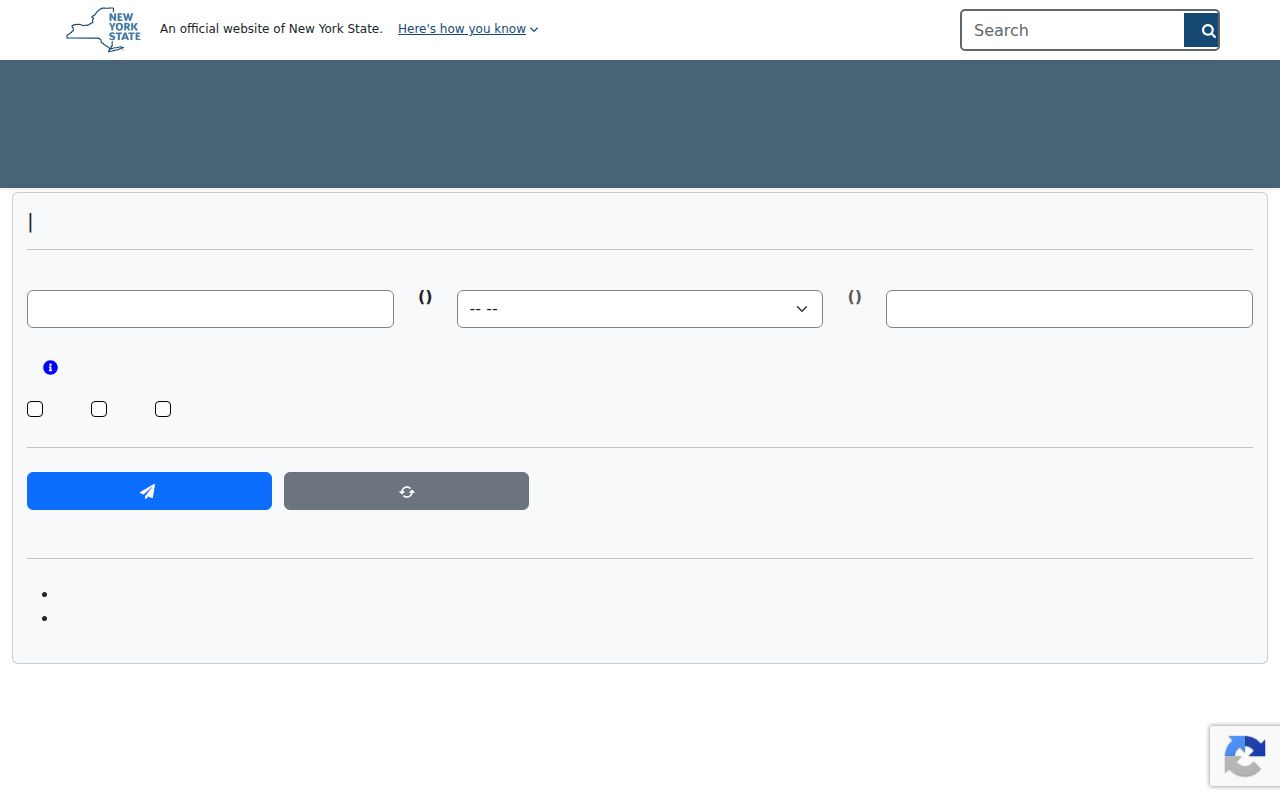
Treat a state registry hit as a lead, not a verdict. Read the search's own notices, filters, and record definitions first. Those tools tell you what a result actually covers. A bare name match never adds up to a full Town of Colonie record. Weight what the registry shows against the clerk's file before you draw any conclusion.
Note: A clerk-held file may hold more or less than an online index. Court sealing rules still govern what you may see.
Town of Colonie Voter Lookup Fields
New York's voter lookup plays a narrow role in a Town of Colonie resident lookup. It confirms details you already hold. It cannot browse a road or block. Pick Albany County on the form, then supply the name, date of birth, address information, and ZIP Code the state marks as required. The form itself is what the state publishes; no published list of result fields sits behind it, so the honest answer describes the questions asked rather than promising a hidden results screen. A non-match has many innocent causes. Spelling differences, a recent move, inactive or cancelled status, or a protected record can all hide a valid registration. Sometimes the person simply never registered at all.
| State form field | Documented requirement or role |
|---|---|
| Last name and first name | Required paired name fields. |
| Date of birth | Required in MM/DD/YYYY format. |
| County | Required choice; use Albany for Town of Colonie. |
| Address information | Required residence information for the lookup. |
| ZIP Code | Marked required when displayed on the page. |
| Mail Ballot Tracker and Poll Site Search | Separate tasks available from the same state landing page. |
Voter data has legal guardrails. Election Law Sections 3-103(5) and 3-220 protect identifiers. The same sections restrict statewide use of the voter file. Requesting the broader Board of Elections file means signing an elections-purpose statement. For local inspection, correction, or protected-voter questions, the Albany County Board of Elections is the office to call. The 2026 state Flateau database opens aggregate, non-personal election data to the public. But it answers questions about elections, not about individual residents.
Verify a Town of Colonie Resident
A sound Town of Colonie resident lookup weighs facts from different origins. Never trust one source alone. Match spelling, middle initial, suffix, road, mailing city, parcel key, and record dates. Do this before calling two results the same person. A deed party might be an estate, trustee, or corporation. It could also be an attorney-in-fact rather than the resident you seek. A directory entry can describe a past occupant. A phone clerk can point you to the right request path. Staff will not hand out protected details to settle a similar name. Think of the result as a confidence trail, not a personal dossier.
- Normalize the name, including middle initials, suffixes, and known spelling variants.
- Anchor the name to a parcel owner or tax-mailing record when an address or print key is known.
- Check the recorded deed party and date, then compare a second source such as a court index, voter lookup, probate file, or historical notice.
- Request a clerk-held file or an eligible certified copy only when the source record and purpose justify it.
- Docket
- A court's running list of filings and events in one case.
- Index and image
- An index points to a record; an image is the scanned document or page, when public access is available.
- Certified copy
- A copy issued and authenticated by the custodian for uses that require official certification.
A historical address connection holds up best when the year travels with the name. Otherwise a lookup can drift into the wrong household. The Town of Colonie city directory collection path describes the directory shelves and newspaper runs that carry that part of a resident lookup.
Town of Colonie Vital Record Routes
An index and a certificate are not the same thing. New York's genealogy rules open birth records after 75 years. Death or marriage records open after 50 years, once the stated death conditions are met. Certified copies of current records follow Public Health Law Section 4174 instead. FOIL does not unlock them. Know the municipality first. Then start with the Town Clerk or the local registrar. Do not assume the County Clerk holds the certificate. Colonie publishes no current local registrar form or local fee. Confirm both details before you mail any payment. That one step saves a returned envelope.
Town Clerk
Ask about a local certificate, local registrar procedure, or a town record route. Town Clerk contact: 518-783-2734.
New York State DOH
For statewide records outside New York City, the genealogy mail route uses the DOH application and accepted payment instructions.
Special categories
Use Albany Surrogate's Court for estate files. Use only the NYSDOH Adoption Information Registry for sealed adoption or birth-parent information.
Older events often leave traces outside the certificate itself. Church registers, cemetery transcriptions, newspaper notices, state census schedules, and probate files can all supply clues. None of them replaces the actual certificate. A mail request works best when it is precise. Name the exact municipality and record type. Add the date range and every name variant. State your relationship or genealogy purpose, and say whether you want a certified copy or a genealogy copy. The state instructions call for the required signature, documentation, and an accepted payment method, never cash.
Note: A local request can move faster when the event's municipality is known, though Colonie's current form and fee still need confirmation.
Town of Colonie Records Before 1980
Dates set the boundary in any Town of Colonie resident lookup. SearchIQS covers listed land groups from 1980 forward. The Albany County Hall of Records reaches back centuries. Its deed and mortgage material runs to 1630, and a grantor-grantee index covers 1630 through 1940. That boundary shapes strategy. An older name or address trail may call for a counter visit, mail research, or a targeted request instead of one more web search.
Hall records link names to transaction and recording dates, property descriptions, party residences, and sometimes maps or photographs. Not every volume is digitized, though. For someone no longer current, the Hall, Albany Public Library, Sanford Town Library, Town Historian, and New York Heritage carry the historical access. Keep a road's alternate spelling handy. So is its village or postal label. Both details keep a staff request narrow enough to search.
Custody is a separate question. The New York State incarcerated-individual lookup is a separate custody source with its own definitions and limits.
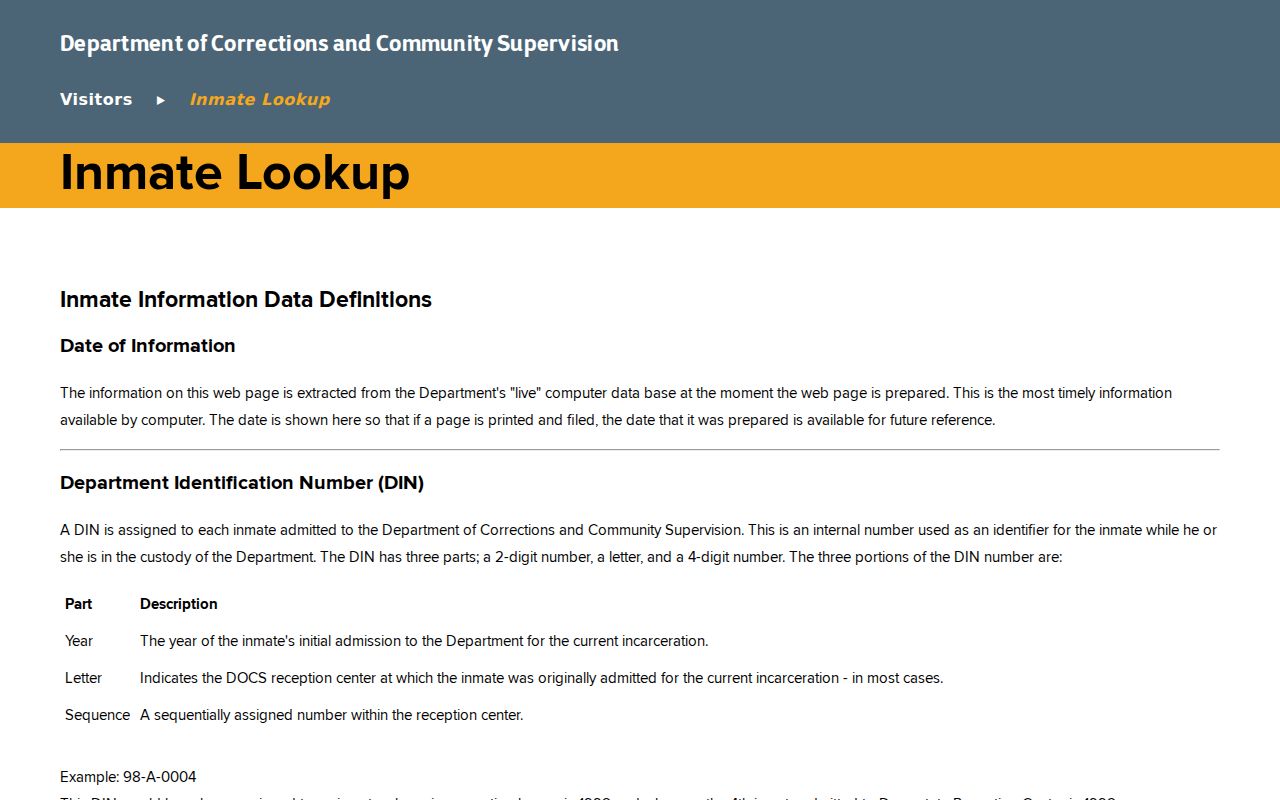
A state-custody result is time-sensitive. It proves no current Town of Colonie connection, no court disposition, and no complete identity match.
Town of Colonie Affiliation Records
Business filings can separate people who share a name. New York DOS entity records show status, formation date or jurisdiction, county, service-of-process address, registered agent, and filing history. Albany County assumed-name records handle a sole proprietor's trade name. DOS and NYSED license sources expose the public facts their own record types allow. A business address is not a home.
Write down the exact entity name first. Add the entity type, filing date, status, and document or license identifier before comparing sources. UCC filings and liens sit within the County Clerk and SearchIQS filing universe. There, party names and document numbers matter. No Colonie-wide occupational register exists. When a source stops, record the gap. Never infer a personal address from a service address, agent, or license location.
Town of Colonie Resident Lookup Limits
Public access has hard edges. The New York Address Confidentiality Program was created by Executive Law Section 108. It gives qualifying participants a substitute address, and it guards the actual address except through authorized routes. Election Law Sections 3-103(5) and 3-220 restrict voter-file use and withhold protected identifiers. DMV records sit behind separate federal and state protections. Vital records are never public name-search material. Sealed court files, household relationships, utility accounts, and delivery data are off limits too. Respect those lines. Never rebuild a protected person from nearby parcel or voter clues.
Lawful use. Use a Town of Colonie resident lookup for family history, record correction, civic transparency, reconnection, or personal safety awareness. Using records to stalk, threaten, harass, or intimidate someone can violate New York law.
Found a wrong parcel, license, or recorded field? Contact the custodian with the record identifier and the exact fact that needs correcting. A correction is not an erasure. Accurate public records stay public. A targeted FOIL request can reach accessible administrative records, but FOIL never overrides restrictions on vital, court, voter, or DMV information.